Neck Pain
Get to the cause of your neck pain and get back to normal naturally.
Why Does My Neck Hurt?
Poor posture, arthritis, and disc injuries are common causes of neck pain.
Slouching can create muscle flexibility and strength imbalances that put excess pressure on nerves, causing neck pain and sometimes pain or tingling that travels to the shoulder or down the arm. Arthritis-related swelling and degenerative changes can also affect posture and irritate nerves. Disc injuries may cause neck and arm pain through direct pressure on nerves.
Physical Therapy for Neck Pain
A thorough evaluation helps us identify which factors are contributing to your symptoms.
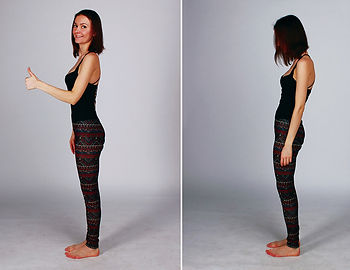
Posture & Movement
Care for posture-related neck pain focuses on restoring muscle balance, flexibility, and better habits for work, driving, and computer use.
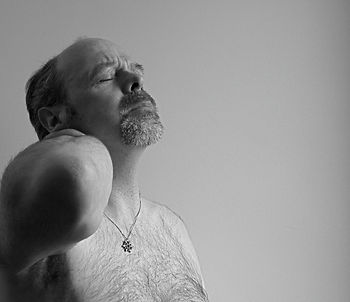
Hands-On Care
For arthritis and disc-related symptoms, treatment may include manual therapy and traction to help decompress irritated nerves and improve flexibility.
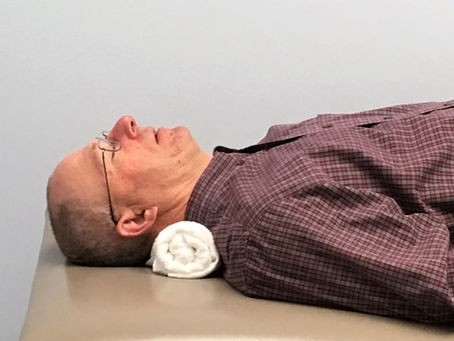
Targeted Exercise
Your plan may include exercises to strengthen weak muscles, stretch tight muscles, improve control, and support lasting posture changes.
Try Physical Therapy First
Avoid unnecessary risk, save time, and save money.
Performance Physical Therapy & Sports Medicine reports that physical therapy can be as effective as surgery for neck pain while avoiding the serious risks and disruption associated with surgery. A typical physical therapy plan may take 10–12 visits, and care can be scheduled around work and family commitments. Our therapists will determine the cause of your pain and emphasize the treatment most appropriate for you.
Build Better Posture Habits
Small, consistent changes can reduce stress on your neck and back.
When sitting or standing, aim to keep your ear lobe lined up with your shoulder and your shoulder over the side of your hip. For people who stay in one position for long periods at work, school, or while driving, this awareness is especially important. Chin tucks—sliding your head straight back without looking up or down—can help address neck posture. Your therapist can show you the right approach for your needs.