Shoulder Pain
Get back to reaching, lifting, dressing, and doing the activities you enjoy.
Understanding Shoulder Pain
The shoulder is built for movement, but its mobility can make it vulnerable to pain and pinching.
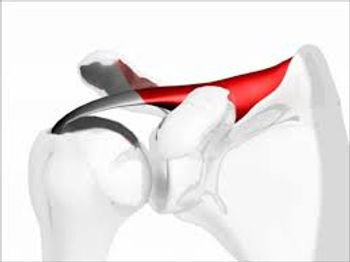
The rotator cuff is a group of deep muscles and tendons that holds the shoulder joint together and helps control its motion. When strength, flexibility, coordination, or posture changes, the cuff can become pinched between the shoulder ball and its bony roof. Pain and inflammation can follow, making everyday activities difficult.
Common Shoulder Problems We Address
A detailed evaluation helps identify the movement limitations contributing to your pain.

Rotator Cuff Pain
Pain or weakness with particular arm movements can be a sign of rotator cuff irritation or injury. Overhead athletes and people who frequently reach overhead may be especially affected.
Degenerative Changes
Normal changes with age—including tendon fraying, bone spurs, and arthritis—may contribute to shoulder pain and altered movement control.
Frozen Shoulder
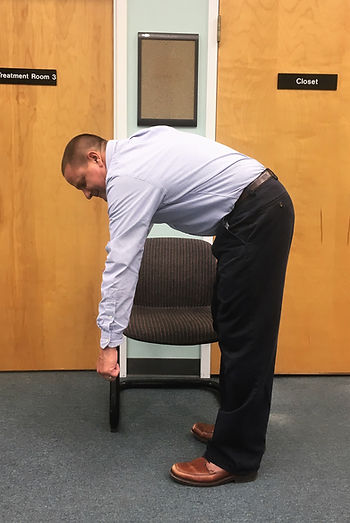
Gradually increasing pain and stiffness that limits most shoulder movements can indicate a frozen shoulder, also called adhesive capsulitis.
How Physical Therapy Can Help
Care that looks beyond a single painful spot.
Our approach includes stretching and strengthening exercises along with hands-on manual therapy. We assess shoulder flexibility and strength as well as the movement of the neck, upper back, shoulder blade, and first rib. Restoring mobility, coordination, and strength helps reduce pinching and supports a return to normal activity.
A Thoughtful First Step for Shoulder Pain
For many people, physical therapy is an effective conservative option before more invasive care.
Individual Evaluation
We identify which movements hurt, where stiffness or weakness is present, and what other areas may be affecting your shoulder mechanics.
Targeted Treatment
Your plan may include manual therapy, flexibility work, rotator cuff strengthening, and exercises that improve shoulder blade and upper-body control.
Clear Guidance
Very large tears or significant loss of strength may need additional medical evaluation. We will help you understand your options and next steps.