Sprains And Strains
Restore strength, balance, and confidence after an injury.
Recurring Sprains Need More Than Rest
Repeated ankle sprains can be a sign of chronic ankle instability.
When an ankle sprain disrupts the normal signals between your brain and ankle, coordination can be affected. This may leave you feeling off balance and more likely to sprain the ankle again. Physical therapy is a proven way to treat chronic ankle instability by identifying the cause of recurring sprains and building a treatment program for your ankle problems.
Signs Your Ankle May Be Unstable
A simple balance check can reveal coordination problems after an ankle sprain.
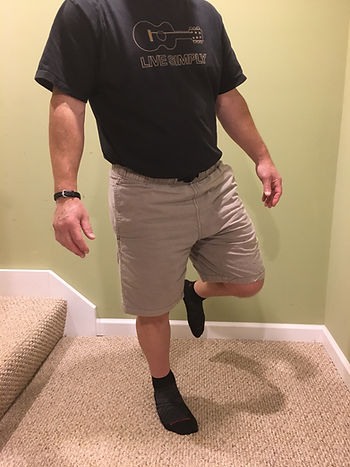
Try the Single-Leg Balance Test
Without shoes, balance on one foot without touching your legs together. Close your eyes and balance for 10 seconds. After one practice attempt, repeat the test.
What to Watch For
Feeling off balance, touching your legs together, touching the floor with both legs, or needing to move your arms during the test can indicate a coordination problem associated with chronic ankle instability.
Build Coordination, Balance, and Strength
The goal is to restore the control your ankle needs for daily activity and sport.
Ankle exercises should include balance, coordination, and strengthening. The practice recommends walking on your heels and toes forward, backward, and to each side for strength and coordination. Work on balancing on one leg; when that becomes easy, progress by trying it with your eyes closed. If these efforts are not working or you are unsure what is causing your symptoms, a physical therapist can evaluate your ankle and tailor your program.
Individualized Care for Your Ankle
Get a plan designed around the factors contributing to your recurring sprains.
Performance Physical Therapy & Sports Medicine serves Eastern Connecticut from offices in Colchester and Hebron. Their physical therapists are certified in or specialty trained in orthopedics, sports medicine, neurology, hand therapy, manual therapy, lymphedema, and vestibular therapy. Request an appointment to get help returning to normal naturally.